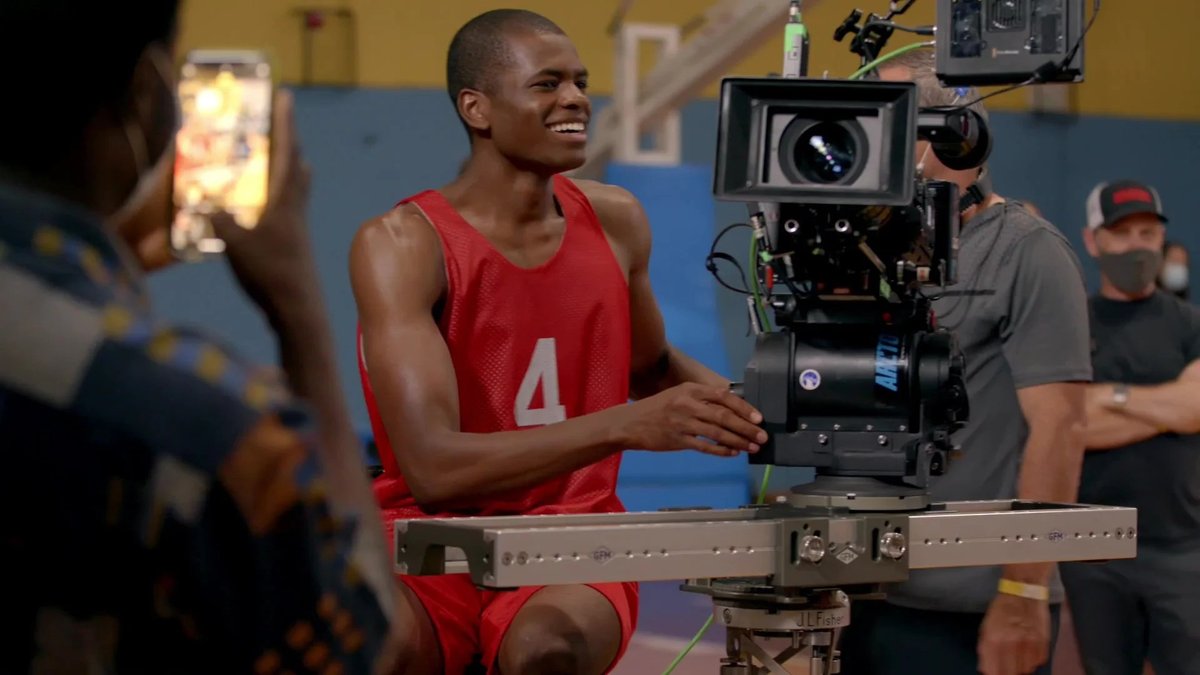
The magic of filmmaking has always been built on meticulous planning, creative vision, and countless hours of dedicated effort behind the scenes. But what if a new kind of collaborator, powered by artificial intelligence, could amplify that magic, making professional-grade production accessible to everyone? Dive deep into the Behind-the-Scenes & Production Insights that reveal how AI is fundamentally reshaping creative filmmaking, from the spark of an idea to the final polished cut.
We're not just talking about minor tweaks; we're witnessing a paradigm shift. Imagine a world where complex visual effects are conjured with a few prompts, where character consistency across dozens of scenes is guaranteed, and where an AI acts as your co-director, offering intelligent compositional advice. This isn't science fiction anymore; it's the present, and it's exhilarating.
At a Glance: AI's Filmmaking Revolution
- Democratization of Production: Professional-level video creation is no longer exclusive to large studios; advanced tools are now within reach for independent creators and small teams.
- Creative Augmentation: AI acts as a powerful assistant, not a replacement, enhancing your creative process rather than stifling it.
- Unprecedented Model Diversity: A vast library of specialized AI models allows for precise control over style, theme, and generation quality, offering bespoke solutions for every project.
- Intelligent Collaboration: AI agents can now offer narrative guidance and cinematography suggestions, evolving from mere tools to genuine creative partners.
- Streamlined Workflows: Repetitive and complex tasks, from asset generation to batch processing, are automated, freeing up human talent for higher-level creative decisions.
- Ethical Foundation: Responsible AI development, focusing on authenticity, bias minimization, and creator compensation, is crucial for building trust in this evolving landscape.
The Traditional Backbone: Where Production Meets Innovation
Before we explore how AI is rewriting the script, it's essential to understand the traditional pillars of production. These processes, honed over decades, remain the foundation upon which AI builds, enhances, and sometimes, elegantly reinvents.
The production department in any TV show or movie studio is the operational heart, the central nervous system coordinating every moving part from a nascent concept to the final, glittering product. Its classic workflow involves several critical phases:
- Pre-production Planning: This is where the blueprint comes alive. It's an intense period of detailed preparation before a single frame is shot. Think script breakdowns to identify every prop, costume, and location; casting to find the perfect faces for your characters; and location scouting to unearth the ideal backdrops that tell your story visually.
- Budget Management: The financial tightrope walk. This phase involves meticulous allocation of resources, scrupulous monitoring of expenses, and ensuring the entire production stays within its predefined financial constraints. Every dollar spent must serve the story.
- Scheduling and Coordination: The logistical ballet. Organizing diverse talent, securing specialized equipment, crafting intricate shooting schedules that maximize efficiency, and constantly adjusting timelines in response to the inevitable real-world variables – this requires a maestro's touch.
- Overseeing Filming (Principal Photography): The active creation. This stage is about managing day-to-day set operations, directing the flow of activities, and facilitating seamless communication among cast and crew during the actual shooting. It's where the vision starts to materialize.
- Post-production Supervision: The final polish. Once filming wraps, the magic truly gets assembled. This involves overseeing the editing process to craft the narrative flow, sound design to build immersive auditory worlds, and visual effects integration to add spectacle and realism, all culminating in the polished final product that audiences experience.
These steps are fundamental. They are the tried-and-true methods that have given us cinematic masterpieces for generations. Now, imagine infusing each of these stages with the power of artificial intelligence.
AI's Ascent: Redefining Digital Content Creation for 2025
The year 2025 marks a pivotal moment. Artificial Intelligence isn't just a supporting character; it's taken center stage, fundamentally reshaping how digital content is conceived, created, and consumed. The numbers speak volumes: the video analytics market alone is projected to reach a staggering $8.2 billion by 2026. This isn't just about efficiency; it's about unlocking new frontiers of creativity.
AI is making professional-grade video production a universal language. It's no longer just the domain of those with multi-million dollar budgets and sprawling production houses. Suddenly, the solo filmmaker, the indie studio, the educator, the marketer – anyone with a story to tell – gains access to tools that were once unimaginable. This democratization fuels demand across sectors, streamlines once-cumbersome workflows, enhances creative possibilities, and ultimately, improves audience engagement.
At the heart of this revolution are sophisticated AI algorithms and vast model libraries. These aren't just simple filters; they are complex systems capable of:
- Text-to-Video Generation: Type a description, and watch a scene unfold.
- Image-to-Video Generation: Provide a still image, and the AI animates it, creating movement, depth, and narrative.
- Video-to-Video Transformation: Manipulate existing footage, changing styles, effects, or even narrative elements with incredible precision.
This is where the magic truly begins to transform the traditional processes we just discussed.
ReelMind.ai: Your AI Co-Pilot in Filmmaking
Platforms like ReelMind.ai are at the vanguard of this creative transformation. They're not just offering a single AI tool but a comprehensive ecosystem designed to empower creators at every stage. Imagine having a digital studio at your fingertips, packed with over 101 distinct AI video generation models, each with its own unique strengths and specializations.
Let's break down some of the groundbreaking features that make this platform a game-changer:
The AI Director in Your Pocket: Nolan
Perhaps the most revolutionary feature is Nolan: The World's First AI Agent Director. Think of Nolan not as a tool, but as an intelligent collaborator. It goes beyond simple generation, offering:
- Intelligent Scene Composition: Nolan can suggest optimal framing, camera angles, and visual arrangements to enhance the emotional impact and clarity of your scene.
- Narrative Structure Guidance: Struggling with pacing or flow? Nolan can provide insights into effective storytelling, helping you maintain a compelling arc.
- Automated Cinematography Suggestions: From dynamic camera movements to lighting setups, Nolan can offer sophisticated advice that elevates the visual storytelling, even for creators without extensive traditional cinematography experience.
This AI isn't just executing commands; it's actively contributing to the creative direction, making complex filmmaking techniques accessible and intuitive.
Crafting Consistent Worlds: Multi-Image Fusion
One of the persistent challenges in AI-generated video has been character consistency. How do you ensure your protagonist looks the same across different scenes, lighting conditions, and even artistic styles? ReelMind.ai tackles this head-on with Multi-image fusion. By using reference images, the platform ensures character consistency across diverse scenes, styles, and themes, guaranteeing that your characters remain recognizable and authentic throughout your narrative. This is crucial for believable storytelling and a seamless viewing experience.
A Universe of Models: Diverse AI Power at Your Command
The sheer breadth of AI models available is staggering. It's like having access to an entire arsenal of specialized artists, each with a unique style and capability.
- Premium Models: For those pushing the boundaries of realism and cinematic quality, you have options like the Flux Series (e.g., Flux Pro 90 credits), Runway Gen-4/Gen-3 (e.g., Runway Gen-4 150 credits), and the highly anticipated OpenAI Sora Series (e.g., Sora Turbo 120 credits). These models are designed for high-fidelity, complex generations that often mirror human-shot footage.
- Specialized and Budget-Friendly Options: The library also includes a wealth of specialized and more accessible models such as MiniMax Hailuo 02 (e.g., Hailuo 02 Standard 40 credits), PixVerse V4.5 (80 credits), Kling AI, Luma Ray 2, Pika V2.2, Tencent Hunyuan Video, Alibaba Wan Series, Vidu Q1 Series, CogVideoX-5B, and LTX Video V0.9.5. This diversity means creators can choose the right tool for the job, balancing creative ambition with budget realities. Each model offers unique aesthetic qualities and functional strengths, from hyper-realism to stylized animation.
The Engineering Underneath: Modular and Scalable Architecture
Behind the intuitive interface lies a robust technical foundation. ReelMind.ai is built on a Modular Architecture, leveraging NestJS (Node.js/TypeScript) with PostgreSQL via Supabase. This setup ensures scalability and efficiency, meaning the platform can handle increasing demands and complex requests without faltering. Key components include:
- Video Generation Engine: The core power behind all the models.
- Image Editing (Lego Pixel technology): For precise control over visual elements.
- Audio Tools (Sound Studio, AI voice/music): To create immersive soundscapes and dialogue.
- Video Fusion (scene consistency, keyframe control): To maintain continuity and control motion.
- NolanAI: The intelligent director agent.
- Community Market: A hub for collaboration and innovation.
Empowering Creators: AI Model Management System
One of the most exciting developments is the AI Model Management System. This feature transforms users from mere consumers into active participants and innovators. It allows you to train, publish, and even monetize your custom AI models on the platform's marketplace. As your model gets used by other creators, you earn credits, fostering a vibrant ecosystem of shared innovation and rewarding ingenuity. It's a true democratizing force, allowing anyone with a unique AI vision to contribute and benefit.
Efficiency at Scale: Workflow Optimization
Creative flow shouldn't be bottlenecked by technical limitations. ReelMind.ai addresses this with an AIGC (AI-Generated Content) task queue for efficient GPU resource management. This means you can submit multiple video requests and the system handles them intelligently, even offering batch generation for multiple video requests at once. This significantly speeds up iterative design and large-scale content production.
The Power of Community: A Creative Ecosystem
No platform thrives in isolation. The Community Market on ReelMind.ai fosters collaboration, content sharing, model trading, and lively discussions. Imagine a space where you can share your latest AI-generated short film, trade custom-trained models, and even explore revenue-sharing opportunities (potentially via blockchain credits) for your unique creations. This collective intelligence accelerates progress and ensures that the platform evolves with its users' needs and desires. For more on fostering creative communities, you might find insights in understanding Everything about Jane by Design and how collaborative environments are built.
Ethical AI: Building Trust in a New Creative Frontier
With great power comes great responsibility. As AI plays an increasingly central role in content creation, ethical considerations are not just footnotes; they are paramount. ReelMind, for instance, emphasizes several key areas to build trust and ensure responsible innovation:
- Content Authenticity: Implementing watermarking and detailed metadata ensures transparency, allowing viewers and creators to identify AI-generated content.
- Robust Moderation: Strict guidelines and moderation processes prevent the misuse of AI for generating harmful or inappropriate content.
- Bias Minimization: Continuous efforts are made to identify and minimize biases in training data, ensuring that AI-generated content is fair, inclusive, and representative.
- Copyright Guidelines: Clear frameworks for intellectual property and ownership in the context of AI-generated content protect creators' rights.
- Fair Compensation for Creators: Mechanisms like the model marketplace with credit earning ensure that human creativity and contributions are recognized and rewarded.
These ethical guardrails are crucial for the long-term viability and societal acceptance of AI in creative industries.
Top 5 Insights for 2025 Creative Production: Navigating the New Landscape
The shift is undeniable. As we move through 2025, several key insights stand out for anyone involved in creative production:
- AI as a Democratizing Force: Forget the gatekeepers and the prohibitively expensive equipment. AI is making professional-grade video production tools accessible to everyone, from hobbyists to small businesses, evening the playing field.
- Explosion of AI Models: The landscape is rich with diversity. Specialized AI model libraries offer unprecedented creative control, allowing you to fine-tune your output for specific styles, moods, and narrative requirements. The days of one-size-fits-all AI are rapidly fading.
- Intelligent Direction: The emergence of AI Agent Directors like Nolan marks a significant leap. They're no longer just tools; they're collaborators transforming how we approach narrative crafting and visual storytelling, offering guidance and suggestions that elevate the creative process.
- Community-Driven Innovation: Platforms that foster collaboration, content sharing, and model monetization are accelerating progress. This collective intelligence ensures that the technology evolves rapidly, driven by the diverse needs and inventive spirit of its users.
- Ethical Imperative: Responsible AI development and content authenticity aren't just buzzwords; they are crucial for building and maintaining societal trust in AI-generated media. Without robust ethical frameworks, the technology's potential could be undermined.
Actionable Steps: Harnessing AI in Your Creative Production
Ready to jump in? Here's a practical roadmap to integrate AI into your filmmaking workflow:
1. Assessment and Planning: Define Your Vision
Before you dive into the tools, clarify your objectives.
- Define Project Goals: What story do you want to tell? What message do you want to convey?
- Identify Target Audience: Who are you trying to reach? This will influence stylistic choices and content.
- Establish Budget and Timeline: Even with AI, resources are finite. Understand your constraints to guide your tool selection.
- Outline Creative Needs: Which aspects of your production could benefit most from AI? Is it concept visualization, character animation, scene generation, or post-production effects?
2. Tool Selection and Setup: Choosing Your Co-Pilots
With your plan in hand, it's time to choose your AI partners.
- Choose a Platform: Select a comprehensive platform like ReelMind.ai that offers a diverse range of models and features relevant to your project.
- Select AI Models: Explore the model library. Do you need high-fidelity models like Flux Pro or Sora Turbo for realism, or specialized options like PixVerse V4.5 for a distinct aesthetic? Understand their strengths and credit costs.
- Familiarize Yourself with Interfaces: Spend time learning the UI, prompt engineering techniques, and unique features of your chosen models.
- Understand Credit Systems: Get a clear grasp of how credits work for different models and generation types to manage your budget effectively.
- Explore AI Director Features: If available, experiment with features like Nolan AI Director for scene composition and narrative guidance.
3. Implementation and Testing: Bringing Your Vision to Life
This is where you start creating.
- Experiment with Prompts: The quality of your output often depends on the precision of your prompts. Iterate and refine to get the desired results.
- Leverage AI Guidance: Don't just generate; collaborate. Use AI suggestions for composition, narrative structure, and cinematography to enhance your creative choices.
- Test Character Consistency: Utilize multi-image fusion features to ensure your characters maintain a consistent look across different scenes and styles.
- Iterate and Refine: AI generation is often an iterative process. Generate multiple versions, get feedback, and refine your inputs.
- Utilize Batch Generation: For multiple takes, variations, or a series of short clips, leverage batch generation to save time and resources.
4. Optimization and Scaling: Polishing and Growing
Your project doesn't end with the first successful generation.
- Refine Assets: Use AI image editing and audio tools to polish your generated video content, adding sound design, voiceovers, or enhancing visual details.
- Optimize for Various Platforms: Ensure your AI-generated content is suitable for its intended distribution channels – whether it's social media, a streaming service, or a film festival.
- Consider Custom Model Publication: If you've developed unique expertise or have a specific aesthetic, consider training and publishing your custom AI models on marketplaces to earn credits and contribute to the community.
- Continuously Learn: The AI landscape evolves at an incredible pace. Stay engaged with the community, follow updates, and adapt your skills to new technologies and best practices.
Best Practices & Pitfalls to Avoid
As with any powerful tool, success with AI in filmmaking depends on how you wield it.
Best Practices for AI-Powered Filmmaking
- Embrace Experimentation: Don't be afraid to try new prompts, models, and approaches. The most groundbreaking results often come from pushing boundaries.
- Focus on Narrative and Intent: AI is a tool to tell your story. Always prioritize your core narrative, emotional impact, and clear intent over simply showcasing AI capabilities.
- Understand Your Tools: Each AI model has unique strengths and limitations. Know when to use a high-fidelity model versus a specialized one, and understand their credit costs.
- Leverage Community Resources: Join forums, share your work, and learn from others. The collective knowledge of the AI filmmaking community is an invaluable asset.
- Prioritize Ethics and Authenticity: Always be transparent about AI usage where it matters, and ensure your content adheres to ethical guidelines and avoids perpetuating biases.
Common Mistakes to Avoid
- Over-reliance on Default Settings: Don't just accept the first AI output. Take the time to refine prompts, adjust parameters, and iterate for better results.
- Neglecting Storytelling Fundamentals: AI can generate visuals, but it can't (yet) inherently tell a compelling story. The human touch for narrative, character development, and emotional resonance remains paramount.
- Ignoring Ethical Considerations: Turning a blind eye to issues of bias, authenticity, and copyright can lead to significant problems down the line.
- Failing to Adapt to Rapid AI Changes: The AI landscape is incredibly dynamic. Sticking to old methods or models will quickly leave you behind. Continuous learning is essential.
- Thinking of AI as a Replacement, Not a Partner: AI is here to augment and assist your creative vision, not to take over. View it as a powerful collaborator, not a substitute for human ingenuity.
The Horizon: What's Next for AI in Creative Production?
Looking ahead to the next 2-3 years, the trajectory of AI in filmmaking is nothing short of revolutionary.
We can anticipate even more sophisticated AI models, boasting greater temporal coherence – meaning movements and changes within a scene will be smoother and more physically accurate. Expect enhanced emotional nuance, with AI capable of generating characters that express complex feelings through subtle facial expressions and body language, and a deeper narrative understanding, allowing AI to generate entire scenes or sequences that align perfectly with an overarching storyline.
Enhanced real-time collaboration will become the norm, with multiple creators able to interact with and guide AI generation simultaneously, fostering a truly dynamic creative environment. We'll also see deeper integration with AR/VR technologies, where AI can instantly populate virtual worlds with believable characters and dynamic environments, blurring the lines between digital and physical production.
Ultimately, AI will evolve from being merely a generation tool to an integrated creative partner, woven into every fabric of the production process. The day is fast approaching when AI-generated content will be virtually indistinguishable from human-produced content for many applications, opening up incredible possibilities for storytelling, accessibility, and artistic expression.
The future of filmmaking isn't just bright; it's intelligently illuminated. By understanding the insights, embracing the tools, and upholding ethical standards, you can be at the forefront of this exhilarating new era of creative production.